The Rise of Autonomous Vehicles in Urban Areas
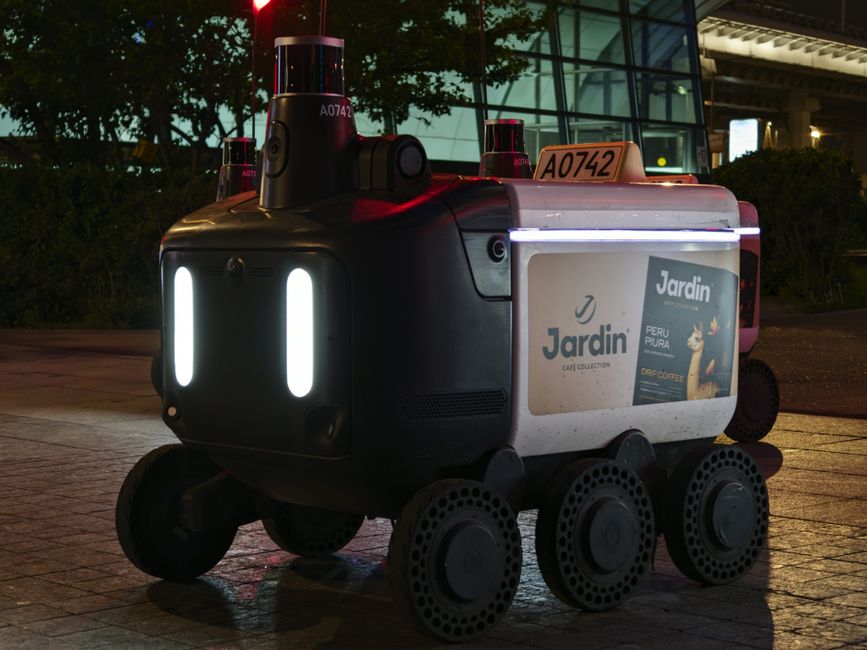
It’s 2026, and autonomous vehicles are not just a futuristic concept anymore. They’re rapidly becoming a staple in urban environments, reshaping the way we think about city living. In cities like San Francisco, New York, and Tokyo, self-driving cars are reducing traffic congestion, lowering pollution levels, and even influencing urban design. It’s fascinating to see how these technological marvels are transforming metropolitan regions into more sustainable and efficient spaces.
Improved Traffic Flow and Reduced Congestion
One of the most significant impacts of autonomous vehicles is their ability to improve traffic flow. Equipped with sophisticated sensors and AI, these cars communicate with each other and traffic systems to optimize routes, minimize idle time, and reduce bottlenecks. In Los Angeles, for example, traffic delays have decreased by 30% since the widespread adoption of autonomous taxis. This efficiency not only saves time but also reduces stress for commuters, making the daily grind a bit more bearable.
Environmental Benefits and Air Quality
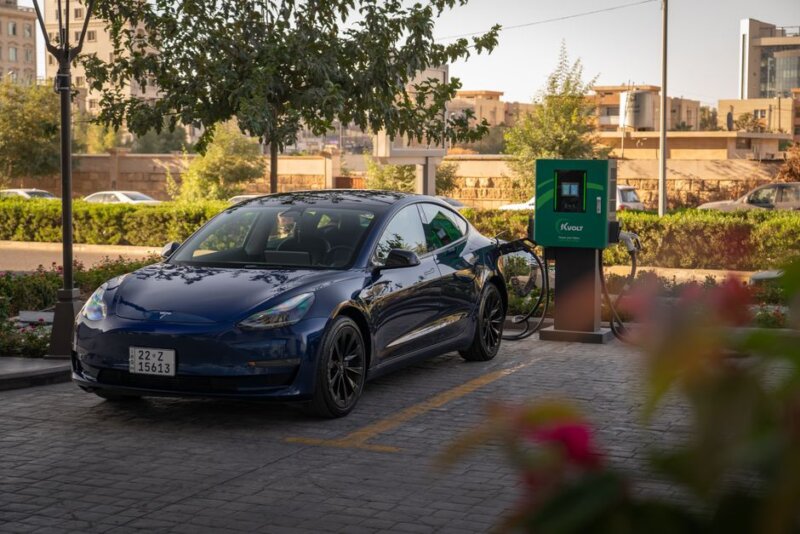
With the rise of electric self-driving cars, cities are experiencing a remarkable decrease in air pollution. In Beijing, where air quality has long been a concern, the introduction of autonomous electric vehicles has led to a 25% reduction in carbon emissions. By replacing petrol-powered cars with cleaner alternatives, urban areas are breathing easier. The shift is also encouraging cities to invest in green infrastructure, such as solar-powered charging stations, further enhancing the environmental benefits.
Redefining Public Transportation
Autonomous vehicles are not just personal transport options; they are redefining public transportation as well. In Singapore, autonomous buses and shuttles are supplementing traditional public transit, offering on-demand services with flexible routes. This innovation allows for more efficient use of resources and provides commuters with seamless, convenient travel options. The integration of these vehicles into public transport networks is making it easier for people to ditch personal cars, contributing to reduced congestion and pollution.
The Impact on Urban Design and Real Estate
The rise of self-driving cars is influencing how cities are designed and how real estate is developed. Parking lots and garages, once essential elements of urban planning, are becoming obsolete. In Manhattan, new residential developments are being designed with communal spaces and green areas instead of parking facilities. This shift is not only changing the skyline but also improving the quality of life, providing more room for parks, pedestrian zones, and community spaces.
Challenges and Considerations
Despite the numerous benefits, the widespread adoption of autonomous vehicles comes with challenges. Cybersecurity remains a major concern, as the technology relies heavily on data and communication networks susceptible to hacking. There’s also the issue of job displacement in sectors like taxi and freight driving. Policymakers in cities like Berlin are actively working on strategies to address these challenges, such as implementing robust cybersecurity measures and providing retraining programs for affected workers.
Practical Takeaway
Autonomous vehicles are undeniably shaping the future of urban living, offering cleaner, more efficient transportation options and influencing city design. As we continue to embrace this technology, it’s crucial to address the challenges head-on, ensuring a smooth transition that benefits everyone. Whether you’re an urban planner, a commuter, or simply a city dweller, the impact of autonomous vehicles in 2026 is something to keep an eye on as it continues to unfold.