The Dawn of Smart Roads: A Tech Revolution
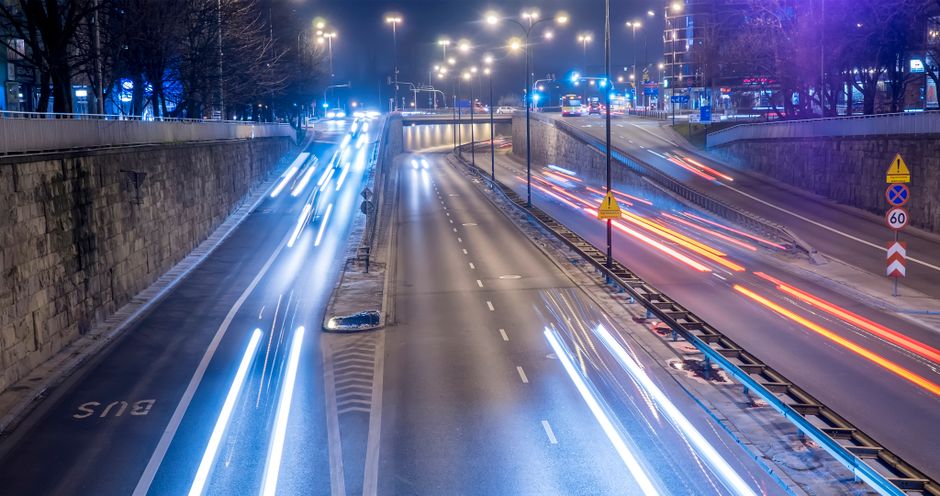
This year, 2026, marks a significant turning point for urban and rural infrastructure. The concept of smart roads, once a vision of science fiction, is now transforming the driving experience. These roads are not just asphalt and concrete; they’re embedded with technology that communicates with vehicles, offering drivers an unprecedented level of safety and convenience. Major cities like San Francisco, Tokyo, and Amsterdam are leading the charge, integrating these intelligent systems to improve traffic flow and reduce accidents.
What Makes a Road ‘Smart’?
Smart roads are equipped with a plethora of sensors, IoT devices, and wireless technology. These features communicate with vehicles to provide real-time data exchange. Think of these roads as giant data collectors that help manage traffic, weather conditions, and even road maintenance. By 2026, over 20% of U.S. interstate highways have been upgraded to smart road status, with ambitious plans to cover another 30% by 2030.
- Interactive Traffic Management Systems: These systems adjust traffic light timing based on real-time data, reducing congestion and improving air quality by minimizing idle time.
- Dynamic Lane Assignments: Roads can change lane directions during peak hours to accommodate heavier traffic flows and reduce bottlenecks.
- Automatic Incident Detection: Cameras and sensors along smart roads can quickly identify accidents or slowdowns, alerting emergency services and rerouting traffic in real time.
The Benefits: More Than Just a Smoother Commute
The advantages of smart roads are extensive. For one, they significantly enhance safety. With technologies like adaptive speed limits that adjust to weather conditions or traffic density, drivers are less likely to encounter sudden and dangerous situations. Moreover, the integration of Vehicle-to-Infrastructure (V2I) communication means your car can alert you about upcoming hazards or road work long before you see them.
On the environmental front, smart roads help reduce the carbon footprint. By optimizing traffic flow, vehicles spend less time idling, which leads to lower emissions. In cities like Oslo, this has already contributed to a 15% reduction in urban air pollution since the start of their smart road initiative.
Challenges and the Road Ahead
Despite their advantages, the implementation of smart roads is not without challenges. The initial cost of upgrading infrastructure is high, and the process is labor-intensive. However, the long-term benefits, such as reduced maintenance costs and improved economic efficiency, are compelling enough to continue these efforts. Additionally, privacy concerns over data collection and sharing need addressing to reassure the public.
Looking forward, the future of smart roads involves even more connectivity. We can expect roads that not only communicate with vehicles but also with pedestrians and cyclists to create a fully integrated smart city ecosystem. This kind of hyper-connectivity promises to make our cities safer, cleaner, and more efficient.
Practical Takeaway: How to Prepare for Smart Driving
As these technologies become commonplace, drivers will need to adapt. Start by ensuring your vehicle is compatible with V2I communications. Many 2026 model cars come equipped with the necessary tech, but older models may require upgrades. Stay informed about the changes happening in your area to make the most of smart road features.
The key takeaway is to embrace these changes with an open mind. The smart road revolution is here, and it’s set to make our lives easier, whether we’re heading to work or embarking on a cross-country adventure.