Introduction to Next-Gen Battery Innovations
As we cruise midway through 2026, the automotive industry continues to spark exciting developments, particularly in electric vehicle (EV) technology. The focus? Batteries. This year marks a pivotal shift as companies race to enhance battery efficiency, sustainability, and capacity. These advancements aren’t just tweaking the edges; they’re redefining the road for EVs. Let’s take a deeper look at what’s charging the future of electric mobility.
The Rise of Solid-State Batteries
If you’ve been following EV technology, you might have heard the buzz about solid-state batteries. In 2026, these aren’t just concepts—they’re becoming reality. Unlike traditional lithium-ion batteries, solid-state versions use a solid electrolyte, potentially increasing the vehicles’ range by 30-50%. Companies like Toyota and QuantumScape are leading the charge, promising commercial production by late 2026.
What does this mean for drivers? More miles, faster charging, and a significant reduction in the risk of battery fires. Imagine driving from New York City to Chicago on a single charge, with a pit stop of just 15 minutes at a charging station. The practicality and peace of mind offered by this technology could redefine long-distance travel.
Sustainability Takes the Front Seat
With growing concerns about climate change, sustainability is no longer an optional extra; it’s a necessity. 2026 is seeing major advancements in eco-friendly battery production. Companies are keenly aware of the environmental impact of battery manufacturing and disposal. Enter the era of recyclable and biodegradable batteries.
Northvolt, a Swedish battery manufacturer, is spearheading efforts with its 100% recyclable battery, set to launch by the end of the year. These batteries use materials like lithium iron phosphate, which not only enhance recyclability but also eliminate the need for scarce and ethically problematic resources like cobalt and nickel.
Charging Ahead with Ultra-Fast Charging
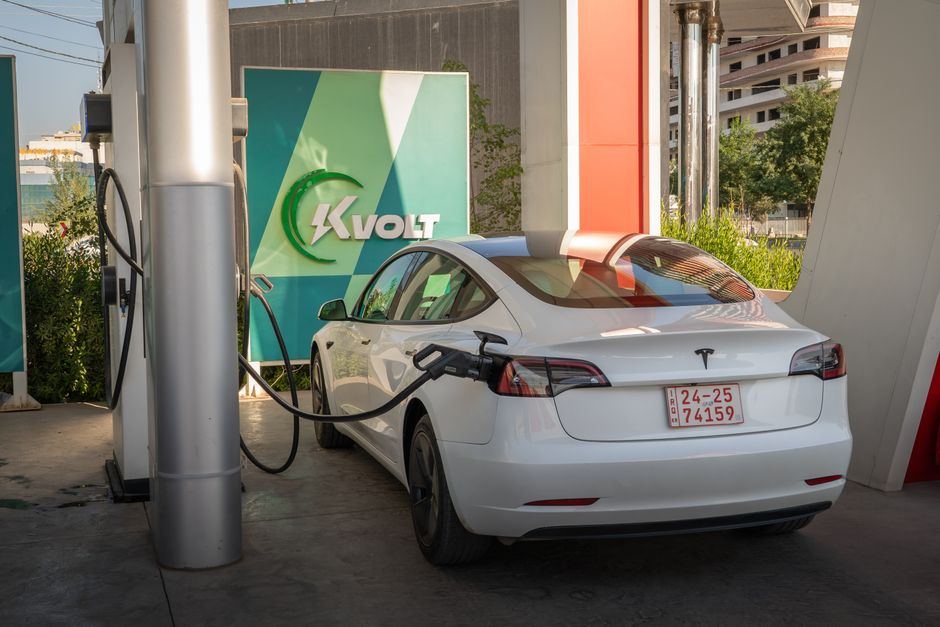
One of the significant barriers to widespread EV adoption has been charging time. However, 2026 is proving to be a game-changer. Enter ultra-fast charging technology, promising to juice up an EV in less than ten minutes. How is this possible? Through the use of advanced power electronics and grid improvements.
In cities like Oslo and Amsterdam, pilot programs are underway, with ultra-fast charging stations popping up across Europe and North America. These innovations could drastically reduce the downtime associated with electric vehicles, making them an even more attractive option compared to traditional combustion engines.
Enhanced Battery Management Systems (BMS)
While battery capacity and charging speed grab headlines, the behind-the-scenes hero is the Battery Management System (BMS). 2026 sees BMS technology reaching new heights. These systems are smarter, leveraging AI to optimize battery performance and extend lifespan.
Enhanced BMS can predict and prevent issues before they arise, ensuring that battery performance remains consistent and reliable. They also allow for over-the-air updates, much like your smartphone, keeping your vehicle at peak performance without a trip to the mechanic.
Lithium-Sulfur: The Next Frontier?
While lithium-ion remains dominant, lithium-sulfur batteries are stepping into the spotlight. With a theoretical energy density several times greater than traditional batteries, lithium-sulfur could potentially revolutionize the landscape further. 2026 has seen successful trials in lab settings, with companies like OXIS Energy and The Faraday Institution pushing towards commercial viability.
This technology promises not only more energy-dense batteries but also cheaper production costs. The challenge now is to improve cycle life and stability, but the progress is promising, and a breakthrough could be just around the corner.
Practical Takeaway
As the relentless pace of innovation continues, the landscape of electric vehicles is transforming faster than ever. The breakthroughs in battery technology this year aren’t just about longer ranges or faster charging times. They’re about making electric vehicles a truly practical alternative for everyone—safer, more sustainable, and ready to meet the demands of modern life. Whether you’re considering your first EV or are an early adopter, these advancements are paving the way for a cleaner, greener journey. Stay curious, stay informed, and watch as this electrifying evolution unfolds.