The Surge in Electric Vehicles: A Growing Demand
As we roll into 2026, electric vehicles (EVs) are no longer a niche market but a dominant force in the automotive industry. With global EV sales surpassing 20 million units last year, thanks to the combination of government incentives and a genuine push for sustainable living, it’s clear that the electric revolution is here to stay. Countries like Norway and the Netherlands have already set ambitious targets, aiming for all new car sales to be fully electric by 2025. But this electric surge isn’t just about sleek designs and zero emissions. The backbone of this transformation is the often-overlooked charging infrastructure.
From Range Anxiety to Range Confidence
Remember the early days of EVs when ‘range anxiety’ was the buzzword? Potential buyers hesitated, worried they’d be stranded with a dead battery before finding a charging point. Fast forward to today, and the narrative has shifted dramatically. Thanks to significant advancements in charging infrastructure, that anxiety is being replaced by ‘range confidence’.
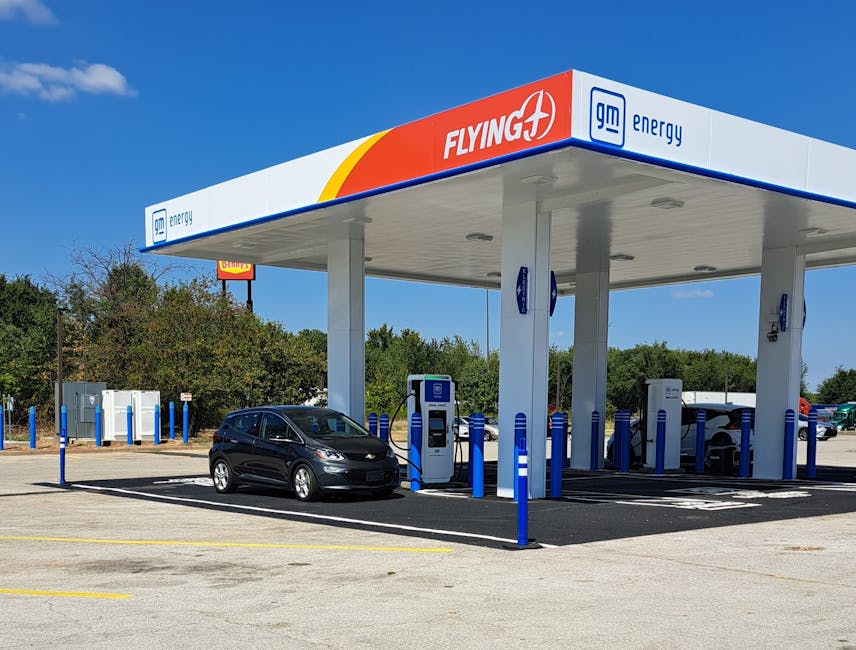
Now, major cities like Los Angeles, London, and Shanghai boast thousands of publicly accessible charging stations. Even rural areas are catching up, with networks like Tesla’s Supercharger and Electrify America expanding their footprints. This growth ensures that EV owners can travel without the constant worry of running out of juice. The convenience of finding a charging station at every corner is becoming as common as spotting a gas station.
The Economic Ripple Effect
Investing in EV charging infrastructure is not just about meeting current demand—it’s about stimulating the economy. According to a report by the International Energy Agency, the global EV infrastructure market is projected to reach over $100 billion by 2030. This growth signifies numerous job opportunities ranging from construction and installation to maintenance and new tech development.
Furthermore, local businesses are benefiting from the rise of EV charging stations in their vicinity. It’s common to find charging points installed at shopping centers and restaurants. While their vehicles charge, drivers are more likely to spend time—and money—at nearby establishments. This symbiotic relationship helps boost local economies, creating a win-win situation for both business owners and EV drivers.
Technological Innovations in Charging
The rapid advancement in charging technology is nothing short of remarkable. We’re witnessing the transition from standard AC chargers to fast DC chargers that can replenish an EV battery in mere minutes. Innovations such as wireless charging pads are being piloted, allowing drivers to charge their cars without plugging in, making the process as simple as parking.
Companies like ChargePoint and Ionity are pushing the boundaries by incorporating smart technology. These chargers can communicate with vehicles to optimize charging times and reduce grid strain during peak hours. It’s this kind of forward-thinking that promises to make charging as seamless as possible, further encouraging the adoption of electric vehicles.
Environmental and Societal Benefits
The environmental benefits of EVs are well-documented—reduced carbon emissions and improved air quality. But the charging infrastructure also plays a pivotal role in this green narrative. As more charging stations are powered by renewable energy, the carbon footprint of EVs continues to diminish.
Moreover, the societal benefits can’t be overlooked. Cleaner air leads to fewer health issues, reducing healthcare costs and improving quality of life, particularly in urban areas historically plagued by pollution. It’s no exaggeration to say that robust charging infrastructure contributes to healthier, more sustainable communities.
Practical Takeaway: Becoming Part of the Solution
So, what does all this mean for you? If you’re considering making the switch to an electric vehicle, now is the perfect time. The charging infrastructure is more robust than ever, ensuring convenience and reducing previous barriers to entry. For businesses and investors, tapping into this growth sector presents lucrative opportunities that also contribute to a sustainable future.
The transition to electric vehicles isn’t just about changing what we drive. It’s about evolving how we live, work, and move. By supporting and investing in expanded charging infrastructure, we can accelerate the shift to a cleaner, greener world. And in 2026, that’s something worth getting charged up about.