How to Protect Your Car from Cyber Threats in 2026
As we journey further into the age of technology, the threat landscape for vehicles has evolved significantly. Cars have transformed into sophisticated computers on wheels, with connectivity features that enhance driving experiences but also introduce new vulnerabilities. With 2026 in full swing, understanding how to shield your car from cyber threats is more crucial than ever.
Understanding the Modern Car’s Vulnerabilities
The car of 2026 is a marvel of modern engineering, equipped with internet-connected systems that manage everything from navigation to entertainment. These systems, however, are not immune to cyber threats. As per a recent study conducted by the Cyber Automotive Group, it was found that 75% of new cars have potential points of vulnerability. The integration of IoT (Internet of Things) devices has opened up avenues for hackers who can exploit these weaknesses. It’s essential to identify and mitigate these risks.
One of the primary concerns is the car’s internal network. Vehicles today use CAN (Controller Area Network) protocols to communicate between their various systems. Hackers can intercept these communications, potentially gaining control over critical functions. A notorious case in 2024 involved a hacker remotely controlling a Tesla Model S in Palo Alto, demonstrating the real-world risks involved.
Keeping Software Updated
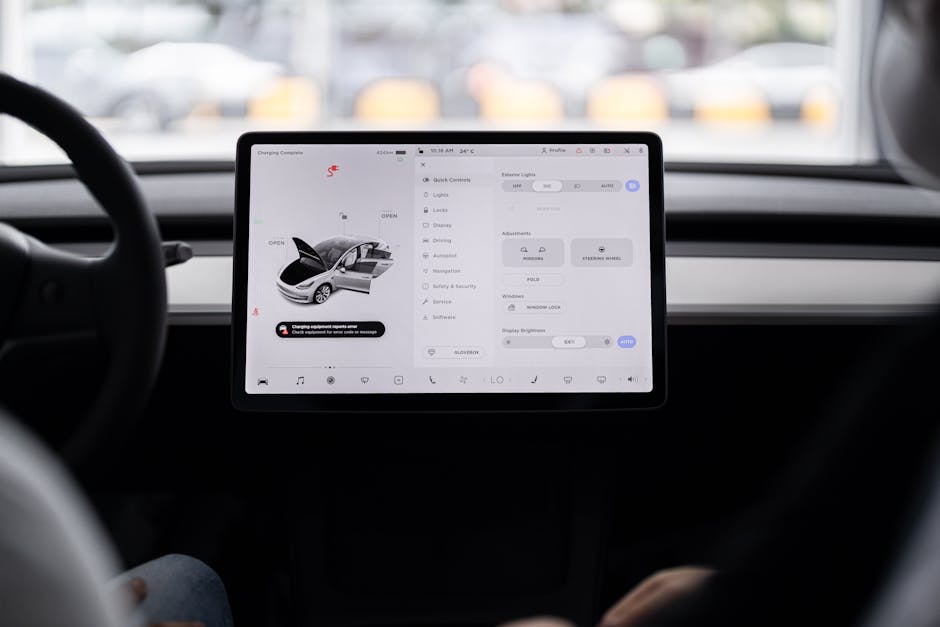
Your car, much like your smartphone or computer, relies on software to function properly. Regular updates ensure that vulnerabilities are patched as soon as they’re discovered. Manufacturers like Tesla and BMW have set benchmarks by providing over-the-air (OTA) updates, making it easier for consumers to keep their systems secure without a trip to the dealership.
However, it’s important to verify that these updates are from legitimate sources. A 2025 incident highlighted the dangers of fake update notifications, where hackers managed to spoof an OTA update, compromising thousands of vehicles. Always cross-check with your car manufacturer’s official communication channels before proceeding with updates.
Implementing Strong Authentication Measures
With the advent of connected cars, the importance of strong authentication measures cannot be overstated. Weak entry points can be easily exploited, potentially leading to unauthorized access to your vehicle’s systems. Utilizing multi-factor authentication (MFA) is a robust way to enhance security.
Biometric authentication, such as fingerprint or facial recognition, is becoming a common feature in many high-end models like the Audi A8 and the Lexus LS. These technologies add an extra layer of security that is much harder to bypass compared to traditional keys or PINs.
Securing Your Car’s Communication Channels
Modern vehicles often come with a range of communication features, from Bluetooth to Wi-Fi hotspots. Each of these features, while convenient, can be a potential gateway for cybercriminals. According to data from the National Automotive Cybersecurity Council, Bluetooth vulnerabilities accounted for 40% of car-related cyber incidents in 2025.
To protect against such threats, ensure that Bluetooth is turned off when not in use, and only connect to trusted devices. Similarly, be cautious when using public Wi-Fi networks, and consider using a Virtual Private Network (VPN) for an added layer of security when using your car’s internet features.
Investing in Cybersecurity Insurance
Given the rising frequency of cyberattacks, investing in cybersecurity insurance for your vehicle is a prudent step. Policies specifically tailored to automotive cybersecurity are being offered by major insurers like State Farm and Allstate. These policies can cover costs related to data breaches, ransomware attacks, and other cyber threats.
It’s important to carefully review the coverage details, as not all policies are created equal. Look for comprehensive plans that include coverage for legal fees, data recovery, and system repair costs, ensuring peace of mind against future threats.
Practical Takeaway
The road to securing your car from cyber threats in 2026 is paved with vigilance and proactive measures. By keeping software updated, implementing strong authentication, securing communication channels, and considering cybersecurity insurance, you can significantly reduce your vehicle’s vulnerability to cyber threats. Even as technology evolves, staying informed and prepared will keep you a step ahead of potential dangers, ensuring that your driving experience remains safe and enjoyable.