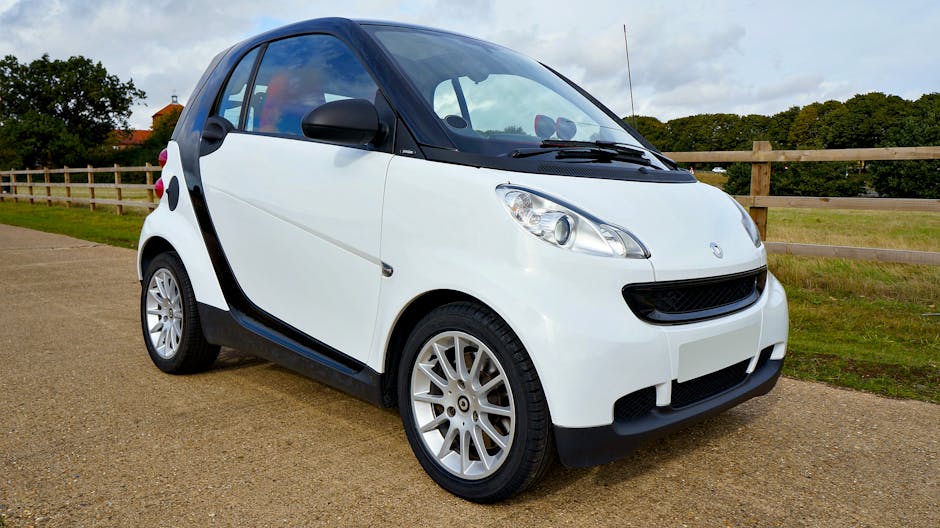
The Rise of Pay-as-You-Go Car Models
The automotive industry has undergone a seismic shift as pay-as-you-go car models gain traction in 2026. This model caters to urban dwellers who are increasingly opting for flexibility over ownership. Companies like GoZoom and ShareMobile have pioneered this concept, offering subscription-based services that allow users to drive a car for as little as an hour or as long as a month. With prices starting at $15 per hour, it’s a cost-effective alternative to traditional rentals or leases.
How Smart Tech is Revolutionizing Car Sharing
Advancements in technology have played a crucial role in shaping new car-sharing models. Vehicles equipped with IoT sensors and real-time tracking provide a seamless experience for users, who can locate and reserve a car with a few taps on their smartphone. In bustling cities like San Francisco and Tokyo, smart parking solutions integrated with car-sharing services help users find the nearest available parking space, saving time and reducing traffic congestion.
Environmental Benefits and Reduced Carbon Footprint
As climate change becomes an unavoidable global conversation, car-sharing models contribute positively by reducing the number of personal vehicles on the road. In 2026, it’s estimated that each shared vehicle replaces about 9-13 private cars, significantly lowering urban emissions. Cities like Amsterdam and Copenhagen have embraced these models, incorporating electric vehicles into their fleets to further minimize environmental impact.
The Impact on Traditional Car Ownership
With the growing popularity of car-sharing, traditional car ownership faces a substantial decline, especially among younger demographics. Millennials and Gen Z show a marked preference for experiences over assets. This trend has led to a 20% decrease in car purchases in urban areas over the past two years, as reported by the International Automotive Association.
Challenges and Future Prospects
Despite its rise, car-sharing is not without challenges. Issues like vehicle maintenance, insurance complexities, and regional regulations can pose hurdles. However, companies are actively working to streamline operations and enhance user experience. As we look toward 2027 and beyond, the car-sharing market is expected to expand further, with projections showing a 30% annual growth rate. Innovations in AI and autonomous driving could soon offer driverless car-sharing options, providing even more convenience.
Practical Takeaway
The surge in car-sharing options signifies a transformative era for personal mobility. Whether you’re an urbanite seeking flexibility, an environmental advocate, or simply someone looking to cut down on costs, new-age car-sharing models present a viable solution. Embrace this flexible lifestyle and explore a variety of vehicles without the commitment of ownership.