How to Prepare Your Car for the Harsh 2026 Winter
Winter is once again just around the corner, and with the harsh weather forecasts for 2026, it’s time to get your car ready to tackle those icy roads and chilly temperatures. Whether you’re planning a road trip to the frosty landscapes of Minnesota or just commuting through the snowy streets of Boston, proper preparation can make all the difference.
Inspect and Replace Your Tires
The first step in winterizing your car is making sure your tires are up to the task. With temperatures in places like Fargo expected to dip below zero frequently this year, having the right tires is crucial. Winter tires are specifically designed to handle snow and ice, providing better traction than all-season tires. They have deeper treads and are made of a softer rubber that remains flexible even at low temperatures.
If your tires have less than 6/32 of tread depth, consider replacing them before the snow starts to fall. Additionally, keep an eye on the tire pressure. Cold weather causes tire pressure to drop, which can affect both handling and fuel efficiency. For every 10 degrees Fahrenheit change in temperature, tire pressure can change by about 1 psi. Regularly check and adjust your tire pressure to the manufacturer’s recommendations.
Check Your Battery Health
Winter weather can be brutal on your car’s battery. In Denver, where sub-zero mornings are common, a weak battery can leave you stranded in no time. A car battery loses a significant percentage of its starting power when temperatures dip. For instance, at 0 degrees Fahrenheit, a car battery only has about 50% of its cranking power available.
Before the first frost hits, have your battery tested at a local auto shop. Most auto parts stores will do this for free. If your battery is more than three years old, consider replacing it to prevent unexpected failures. Cleaning your battery terminals and ensuring they are tight can also help maintain a good connection.
Ensure Your Heating System is Functioning Properly
Driving in wintery conditions without a functioning heating system isn’t just uncomfortable, it can be dangerous. Your car’s heater doesn’t just keep you warm, it also defrosts your windshield, improving visibility. Before winter sets in, turn on your heater to ensure it’s blowing hot air. If it’s not working properly, it could be due to a faulty thermostat or a clogged heater core.
Furthermore, check the defrosters to make sure they’re effectively clearing your windows. A small investment in a portable windshield defroster can also be a lifesaver if your car’s system is underperforming.
Swap Out Your Wiper Blades
Visibility is key to safe winter driving. In cities like Chicago, where blizzards can sneak up on you, having clear sight lines is essential. Wiper blades typically need replacement every six months to a year, but winter-specific blades can make a big difference. They’re designed to prevent ice and snow buildup, ensuring they glide smoothly across your windshield.
While you’re at it, top off your windshield washer fluid with a winter formula that won’t freeze. The last thing you want is to run out of fluid when you’re trying to clear slush off your windshield.
Stock Your Car with Winter Essentials
Preparation isn’t just about the vehicle itself, but also what you carry inside. In the unpredictable weather of places like Buffalo, it’s wise to have an emergency kit in your trunk. This should include a blanket, gloves, and a hat, as well as a flashlight, extra batteries, and non-perishable snacks.
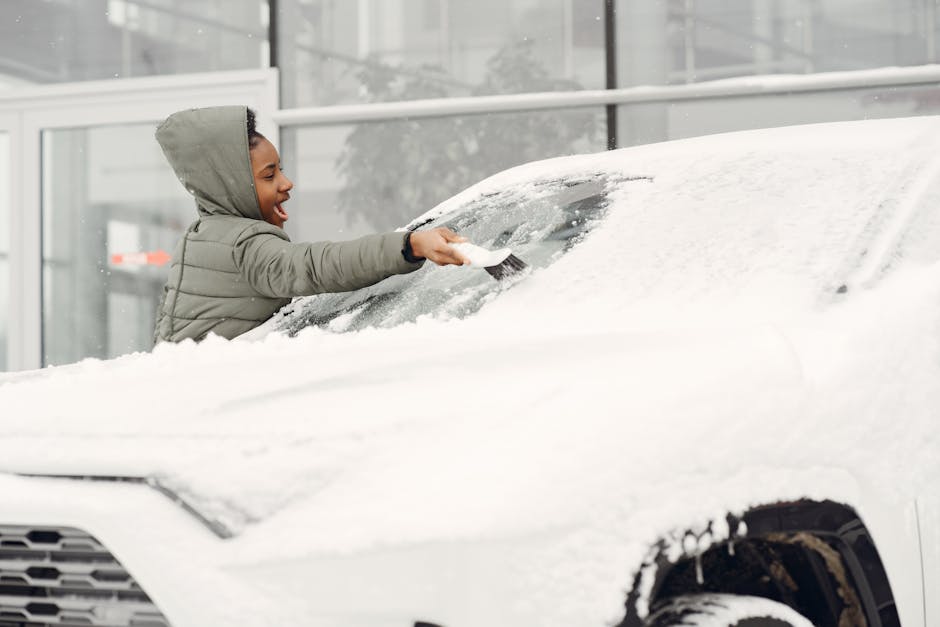
- Ice scraper and snow brush: Essential for clearing your car of snow and ice quickly.
- Jumper cables: A must-have for reviving a dead battery.
- First aid kit: Handy for any minor injuries sustained while dealing with the snow.
- Sand or kitty litter: Useful for gaining traction if you get stuck in a slippery spot.
Being prepared can make waiting for roadside assistance in a snowstorm a little more bearable.
Keep an Eye on Your Fluids
Cold weather can significantly affect your car’s fluids. In places like Anchorage, where temperatures plummet, ensuring your engine oil can handle the cold is vital. Switching to a winter-grade oil, if recommended by your manufacturer, can ensure your engine runs smoothly. Antifreeze, or coolant, is equally important, as it prevents engine fluids from freezing. Ensure your coolant mixture is correct; a 50/50 mix of antifreeze and water is typically recommended.
Don’t forget to check the brake fluid, as well. It should be changed every 30,000 miles or as specified by your vehicle’s manufacturer. Finally, ensure your gas tank is at least half full to prevent fuel lines from freezing.
With these preparations, you’ll be well-equipped to face the 2026 winter with confidence. Remember, safety and prevention can go a long way in ensuring your winter driving experience is as smooth as possible. So, take these steps now and enjoy the peace of mind that comes from knowing you’re ready for whatever winter throws your way.