The Arrival of 5G and Its Impact on Connectivity
2026 marks a pivotal year where the promise of 5G technology genuinely meets the automotive industry. Cars are no longer just vehicles; they’re becoming hyper-connected hubs, seamlessly integrated with the digital ecosystem. The marriage between 5G and automobiles is creating a new wave of smart features that are reshaping our driving experience. But how exactly is 5G revolutionizing our time on the road?
Enhanced Safety with Real-Time Data
With 5G, cars communicate with each other and their surroundings like never before. This omnipresent, ultra-fast network allows vehicles to exchange real-time data with traffic systems, road infrastructure, and even pedestrians via smart devices. Imagine driving through a busy city center: your car can alert you to a pedestrian stepping into the street several blocks ahead or to an unexpected traffic jam around a blind curve.
This real-time data sharing dramatically reduces reaction times, potentially decreasing the number of accidents significantly. In places like Tokyo and New York, where traffic density is a constant challenge, the impact of this technology is particularly profound. Emergency braking systems, lane-keeping assistance, and adaptive cruise control all become far more effective underpinned by 5G.
Entertainment and Infotainment Like Never Before
The automobile is fast becoming a second living room, thanks to the high-speed connectivity of 5G. Streaming high-definition movies, participating in video calls, and playing online games are now seamless experiences. Passengers can enjoy uninterrupted entertainment, transforming long road trips into enjoyable journeys.
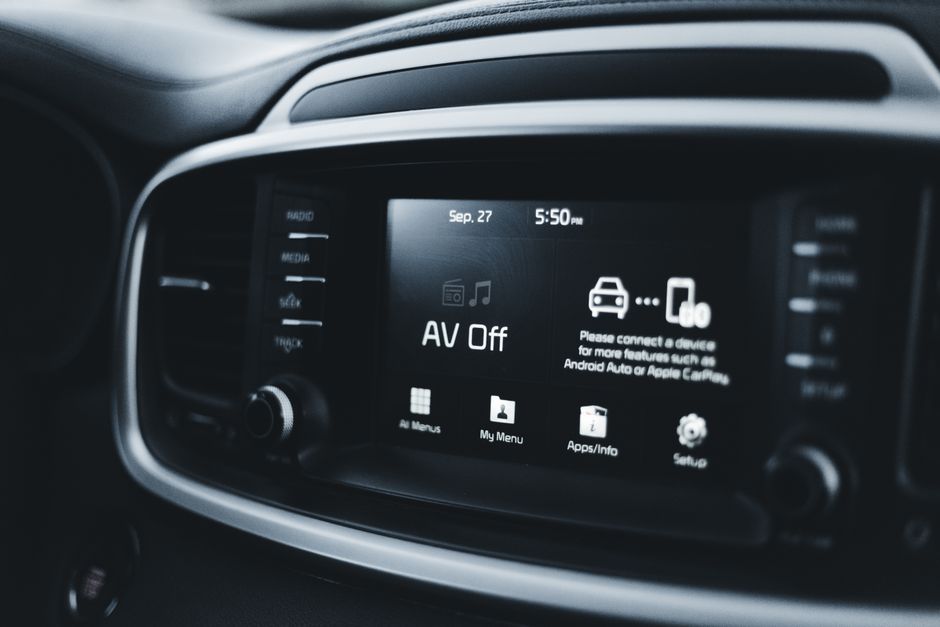
In-car infotainment systems are becoming more sophisticated, with manufacturers like Tesla and Mercedes-Benz leading the charge. These systems can now provide real-time updates on everything from weather to sports scores, offering a tailored experience for every passenger. The enhanced bandwidth also supports augmented reality (AR) navigation systems, overlaying directions and points of interest directly onto the vehicle’s windshield.
Revolutionizing Autonomous Driving
Autonomous vehicles are perhaps the greatest beneficiaries of 5G technology. The low latency and high data capacity of 5G networks enable self-driving cars to process vast amounts of information almost instantaneously. This capability is crucial for the decision-making processes of autonomous systems, where milliseconds can make the difference between a smooth ride and an accident.
In regions like Silicon Valley, pilot projects are already demonstrating fully autonomous taxis that rely on 5G to navigate complex urban environments. These vehicles depend on an array of sensors, cameras, and real-time data feeds, all made possible by the robust, reliable connectivity that 5G offers.
Boosting Eco-Friendly Driving Solutions
The push towards sustainability in the automotive sector is gaining momentum, and 5G is playing a vital role. The technology supports advanced telematics systems that help drivers minimize fuel consumption and reduce emissions. Systems can now provide drivers with real-time feedback on their driving habits, encouraging more eco-friendly behaviors.
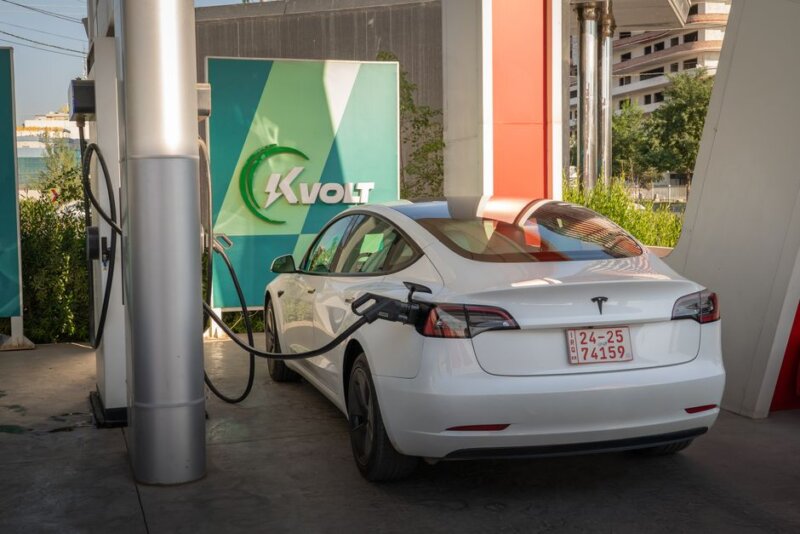
Moreover, 5G facilitates the integration of smart grid technologies, enabling electric vehicles (EVs) to communicate with power suppliers to optimize charging schedules and reduce costs. This interaction is part of a broader trend towards creating a more sustainable, energy-efficient transportation network.
The Road Ahead: Challenges and Opportunities
While the benefits are clear, the transition to a fully 5G-enabled automotive world is not without challenges. Infrastructure upgrades are costly and complex, requiring significant investment from both public and private sectors. Privacy and cybersecurity are also major concerns, as vehicles become targets for hackers.
However, the opportunities are vast. The potential savings from increased efficiency, reduced accidents, and lower emissions are substantial. Lastly, the consumer demand for connected services continues to rise, pushing manufacturers to innovate and invest in this transformative technology.
Practical Takeaway: As we embrace 5G in our vehicles, drivers and passengers alike can look forward to a future where safety, entertainment, and sustainability form the core of the driving experience. To fully enjoy these advancements, staying informed about your car’s connectivity capabilities and participating in keeping your data secure will be crucial.