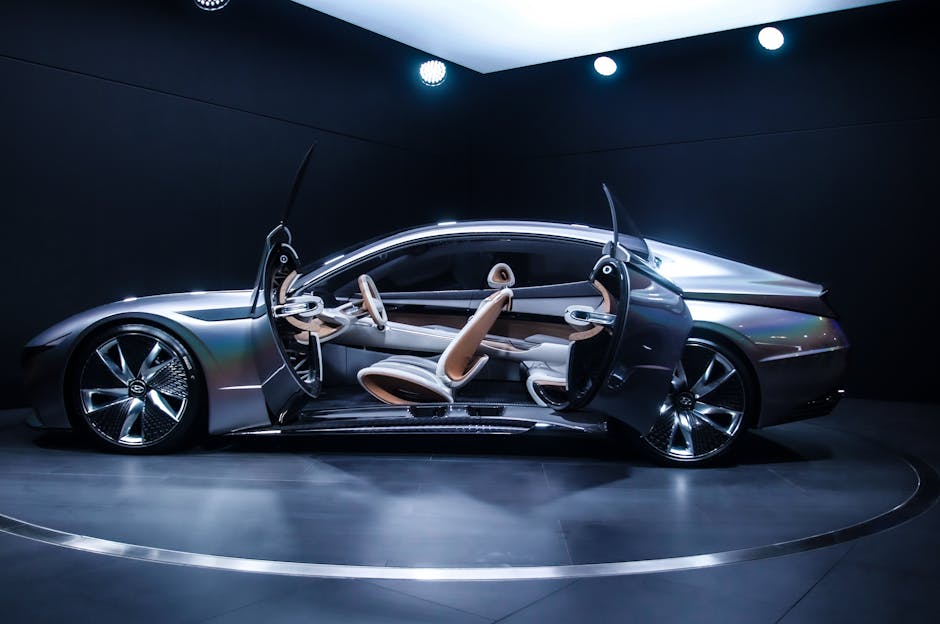
The Fusion of Functionality and Aesthetics
By 2026, car interiors are not just about comfort and utility anymore. Designers are hitting the sweet spot where functionality meets aesthetics, creating interiors that are as beautiful as they are practical. The use of sustainable materials has become a priority, with recycled plastics and vegan leathers leading the charge. Take, for instance, the new Mercedes-Benz EQS, which boasts a cabin largely constructed from recycled materials. It’s a testament to how brands are marrying sustainability with luxury.
Moreover, the integration of smart technologies has transformed dashboards into sleek, minimalist interfaces. Gone are the days of cluttered buttons and knobs. The latest Tesla Model S features a 17-inch cinematic display that controls everything from navigation to climate settings. This shift towards touchscreens and voice controls not only declutters the interior but also enhances user interaction.
Personalization Like Never Before
Personalization has become a hallmark of car design in 2026. Consumers are no longer satisfied with off-the-rack designs. They want vehicles that reflect their personal style and preferences. As a result, manufacturers are offering unprecedented levels of customization. Brands like Volvo and Ford are allowing customers to choose everything from the color of the ambient lighting to the texture of the seats.
Additionally, the use of augmented reality (AR) in customization has revolutionized the way buyers experience their future vehicles. Showrooms now feature AR stations where prospective buyers can visualize different interior configurations in real-time. This technology not only enriches the buying experience but also ensures that customers leave with a precisely tailored vehicle.
The Rise of Biophilic Design
Biophilic design, which seeks to incorporate natural elements into our environments, has made significant inroads into car interiors. By 2026, many vehicles are embracing this design philosophy, integrating natural materials like wood and stone into their cabins. The BMW iX, for instance, features beautifully crafted wood trims sourced from sustainable forests. These elements not only elevate the aesthetic appeal but also create a calming atmosphere within the vehicle.
Furthermore, automakers are increasingly using plant-based materials for upholstery and trims, reducing their carbon footprint while providing a unique tactile experience. This movement towards biophilic design is not just about aesthetics; it reflects a deeper connection with nature that many consumers are seeking in their daily lives.
Enhanced Comfort and Ergonomics
Comfort has always been a cornerstone of car interior design, but in 2026, we’re seeing a whole new level of attention to ergonomics. Seats now come with adaptive support technology that automatically adjusts according to the occupant’s posture. The latest Audi A8, for instance, features seats that can detect tension points and provide targeted massage therapy, turning long drives into a rejuvenating experience.
Additionally, climate control systems have evolved to offer individualized comfort zones. The Hyundai Palisade’s advanced HVAC system allows each passenger to set their preferred temperature, ensuring everyone stays comfortable regardless of the weather outside. These improvements in comfort and ergonomics not only enhance the driving experience but also contribute to overall well-being.
The Impact of Autonomous Driving on Interior Design
The advent of autonomous driving technology is reshaping car interiors in groundbreaking ways. As vehicles become more self-sufficient, the interior space is being reimagined as a multifunctional environment. The latest concept by Google’s Waymo envisions interiors devoid of traditional seating arrangements, instead offering modular lounge-style seating.
This evolution allows passengers to engage in activities other than driving, such as working, socializing, or even relaxing. Imagine a long commute where you can catch up on your favorite Netflix series or attend a virtual meeting without distractions. Such transformations underscore how autonomous vehicles are set to redefine our relationship with cars and travel.
Practical Takeaway: As car interiors in 2026 continue to evolve, they are setting new standards for comfort, personalization, and sustainability. Whether you’re in the market for a new vehicle or simply a car enthusiast, staying informed about these trends can enhance your appreciation of how far automotive design has come. Expect future rides to be more about the journey than ever before.