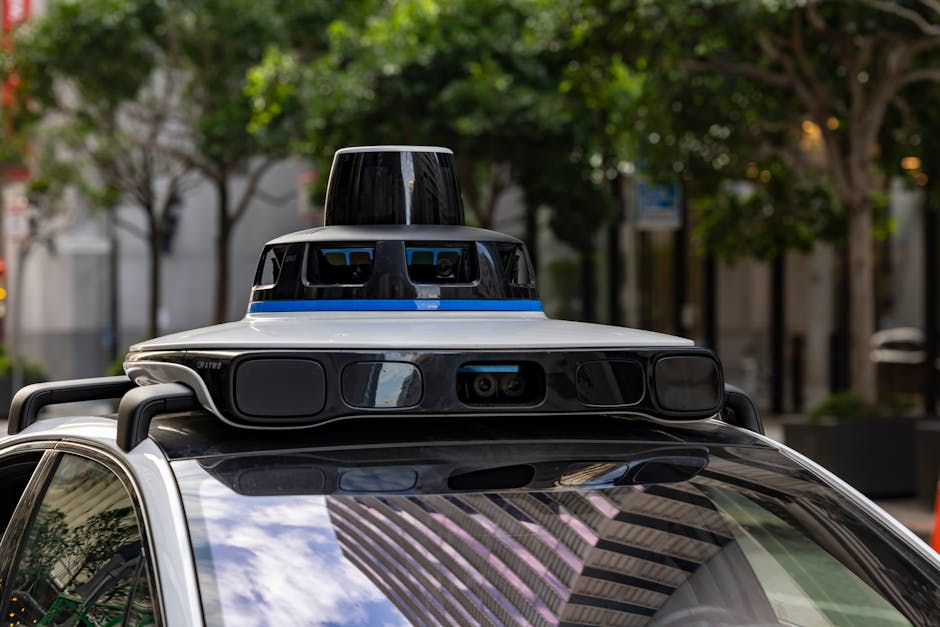
The Road to Autonomy: A Glimpse into the Near Future
It’s 2026, and urban landscapes are on the brink of a transformation. Autonomous vehicles (AVs), once a mere figment of science fiction, are now an imminent reality. They promise not just a change in how we travel but in how our cities function. By 2027, we expect to see a significant shift towards these self-driving wonders, fundamentally altering urban transportation.
Reduced Congestion and Enhanced Traffic Flow
Urban areas like Los Angeles and New York City are notorious for their traffic snarls. Autonomous vehicles hold the promise of smoother traffic flow by communicating with each other to optimize speeds and reduce stops. According to a study by the Boston Consulting Group, AVs could potentially reduce traffic congestion by 40%. Imagine cutting down your daily commute from hours to mere minutes.
These vehicles will effectively eliminate human errors that often cause accidents and bottlenecks. With precise algorithms governing speed and direction, AVs are set to transform how quickly and efficiently we move through cityscapes.
Environmental Impact: A Cleaner, Greener Tomorrow
The environmental benefits of autonomous vehicles are equally compelling. Traditional cars contribute significantly to urban pollution, but AVs, many of which will be electric, offer a cleaner alternative. Cities like Oslo and Amsterdam are already leading the way in adopting electric AVs to reduce their carbon footprint.
Research from the International Energy Agency suggests that widespread adoption of electric AVs can reduce urban carbon emissions by up to 70%. This move towards cleaner transport is not just beneficial for the environment but also for public health, reducing respiratory issues linked to pollution.
Accessibility and Inclusivity: Transport for Everyone
Autonomous vehicles are leveling the playing field by providing mobility solutions for those who might struggle with traditional transportation. For the elderly or differently-abled individuals, AVs offer unprecedented freedom and independence.
In cities like Tokyo and Berlin, pilot programs are already underway, providing AV shuttles that assist those with mobility challenges. By 2027, we can expect these services to become more widespread, ensuring that urban transport is truly accessible for all.
Economic Implications: A New Era for Businesses and Jobs
The transition to autonomous vehicles will undoubtedly reshape the economic landscape. While there are concerns about job displacement, particularly for drivers, new opportunities in tech, infrastructure, and vehicle maintenance are emerging.
Goldman Sachs predicts that the AV industry will create more than 100,000 new jobs globally by 2027. Moreover, businesses can benefit from reduced transportation costs and improved logistics efficiency. Delivery companies in cities like San Francisco are already testing AVs for last-mile deliveries, with promising results.
Challenges Ahead: Navigating the Roadblocks
Of course, the road to full AV integration is not without its challenges. Regulatory hurdles, safety concerns, and public acceptance are key issues that need addressing. Governments worldwide are working tirelessly to create frameworks that ensure the safe deployment of AVs.
Cybersecurity is another area of concern. As vehicles become increasingly connected, the risk of hacking rises. However, with advancements in AI and machine learning, experts are optimistic about overcoming these challenges.
Finally, public trust is crucial. While technology enthusiasts are eager for AVs, the general populace remains wary. It’s essential for manufacturers and policymakers to work together to build confidence in these vehicles.
A Practical Next Step: Embracing the Future of Urban Transport
As we stand on the cusp of a new era in urban transport, it’s crucial for individuals, businesses, and governments to embrace the possibilities that autonomous vehicles bring. Investing in infrastructure, supporting innovation, and fostering public trust are key steps forward.
By 2027, the benefits of AVs will likely outweigh the challenges, offering streamlined, eco-friendly, and inclusive transport solutions that redefine what it means to move through our urban jungles. The future is autonomous, and it’s time to get on board.