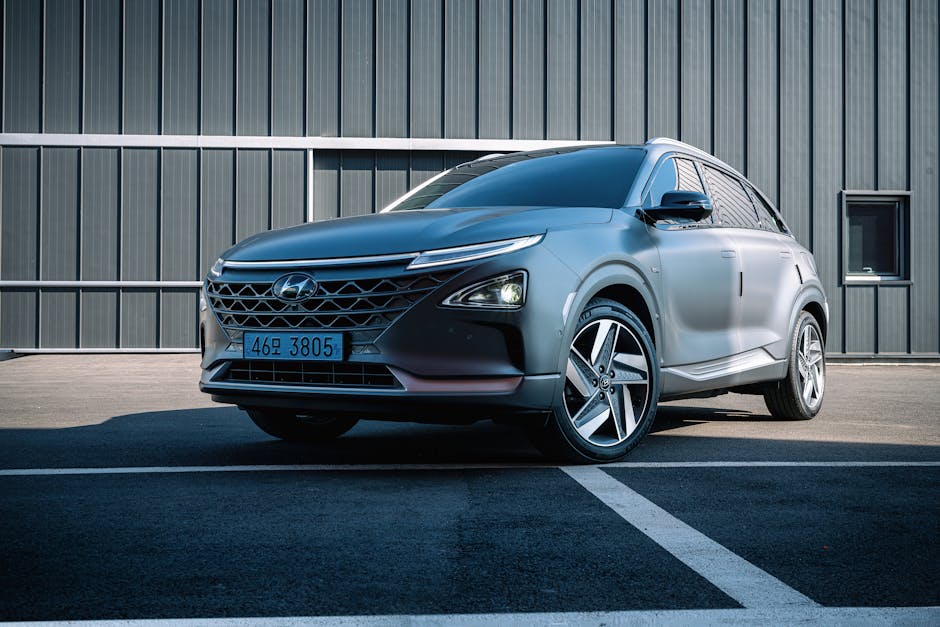
The Hydrogen Revolution
Just a few years ago, hydrogen fuel cell vehicles were seen as a niche alternative in a world predominantly focused on battery electric vehicles (BEVs). Fast forward to 2026, and these futuristic cars are finally getting the spotlight they deserve. With advancements in technology and infrastructure, hydrogen cars are not just a dream of the future but a rapidly growing reality.
Advantages Over Electric Vehicles
While electric vehicles have certainly dominated headlines over the past decade, hydrogen fuel cell cars bring several advantages to the table. For one, their refueling process is much quicker. Imagine pulling into a hydrogen station and being ready to roll in under five minutes. Compare that to the sometimes lengthy charging times of BEVs, and it’s clear why many are looking towards hydrogen.
Furthermore, they offer longer ranges. Models like the Toyota Mirai and Hyundai Nexo boast ranges well over 300 miles on a single tank. This makes them a compelling choice for those who need to cover long distances without frequent stops.
Boost in Infrastructure
One of the main hurdles for hydrogen vehicles has been the lack of refueling infrastructure. However, 2026 has witnessed a significant expansion in global hydrogen stations. Countries like Germany, Japan, and even parts of the United States are ramping up efforts to make hydrogen more accessible. In California alone, there are now over 100 public hydrogen stations, with plans for many more in the coming years.
This expansion isn’t just limited to traditional stations either. Innovations in mobile hydrogen refueling units are making it possible to bring the station to the car, providing flexibility and convenience for drivers.
Environmental Impact
With increasing concerns about carbon emissions and global warming, hydrogen fuel cell vehicles offer a cleaner alternative. The only byproduct of these vehicles is water vapor, making them an environmentally friendly choice. This is a significant step forward in the quest to reduce our carbon footprint.
Moreover, efforts are underway to produce hydrogen using renewable energy sources. By harnessing wind, solar, and other green energies, the hydrogen production process is becoming more sustainable, further enhancing its environmental benefits.
Challenges Remain
Despite the progress, challenges still exist. The production and storage of hydrogen can be costly. Additionally, the durability and lifetime of fuel cells are areas that continue to require research and development. However, with global attention and investment, these challenges are being addressed at an unprecedented pace.
Manufacturers are rapidly overcoming these hurdles, with new innovations and materials consistently enhancing the efficiency and lifespan of fuel cells.
Practical Takeaway
If you’re considering a new vehicle in 2026, don’t overlook hydrogen. As infrastructure expands and technology advances, hydrogen fuel cell cars are becoming a viable and sustainable option. Whether it’s the allure of quick refueling, long-range travel, or the desire for a more environmentally friendly ride, hydrogen vehicles offer an exciting glimpse into the future of automotive innovation.