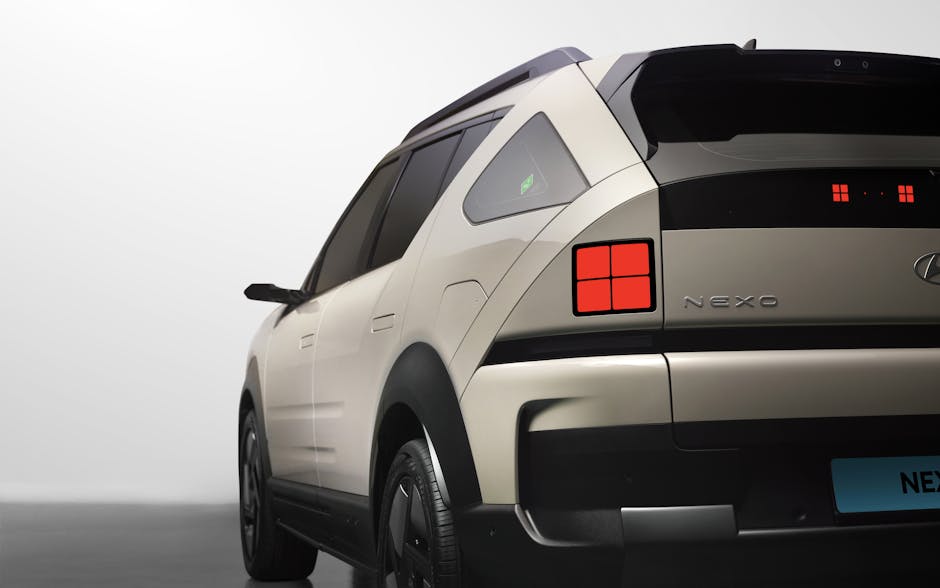
Hydrogen: The Most Abundant Element
Hydrogen is the most abundant element in the universe, and its potential as a clean energy source is massive. While many people are familiar with electric vehicles (EVs) powered by batteries, hydrogen fuel cell vehicles (FCVs) remain a mystery to many. Yet, these cars represent a promising alternative to traditional fossil fuels and battery-electric vehicles.
Hydrogen fuel cells work by combining hydrogen gas with oxygen from the air to produce electricity, water, and heat. This process is not only efficient but produces zero emissions from the vehicle, making it incredibly eco-friendly.
Longer Range, Quick Refueling
One of the biggest advantages of hydrogen fuel cell cars over their battery-powered counterparts is the potential for greater range. Unlike electric cars that may take hours to recharge, hydrogen FCVs can be refueled in a matter of minutes. Consider the Toyota Mirai, which offers an impressive range of over 400 miles per fill-up, rivaling even the most efficient gasoline vehicles on the market.
With refueling stations popping up across places like California, South Korea, and Japan, the infrastructure is slowly but surely catching up to the demand. This is making long-distance travel in hydrogen cars more feasible than ever before.
Water Is the Only Emission
Hydrogen fuel cells are celebrated for their clean emissions. The only byproduct of the chemical reaction that powers these cars is water vapor, which means no greenhouse gases or pollutants are emitted during operation. This makes hydrogen cars an excellent choice for eco-conscious consumers looking to reduce their carbon footprint.
Imagine driving through the streets of Los Angeles or Tokyo and knowing your car is only contributing to the humidity and not the smog!
Quiet Powerhouse
Hydrogen fuel cell vehicles are nearly silent. Much like electric vehicles, the lack of a traditional internal combustion engine means these cars offer a smooth and quiet driving experience. This can significantly reduce noise pollution, especially in busy urban areas.
Moreover, the instant torque provided by the electric motor ensures a responsive and enjoyable driving experience. Whether cruising down a highway or navigating city streets, the smooth acceleration and quiet operation make hydrogen cars a joy to drive.
Infrastructure Challenges
Despite their many benefits, hydrogen fuel cell vehicles face significant infrastructure challenges. The current lack of hydrogen refueling stations is a major hurdle to widespread adoption. As of 2026, California hosts the majority of hydrogen stations in the United States, with efforts underway to expand the network nationwide.
Globally, countries like Germany, Japan, and South Korea are leading the charge in building the necessary infrastructure, recognizing the potential of hydrogen as a key player in future sustainable energy strategies.
Not Just Cars: The Broader Impact of Hydrogen
Hydrogen fuel cells aren’t limited to cars. They are being explored for use in buses, trucks, trains, and even aircraft. For example, the Alstom Coradia iLint, a hydrogen-powered train in Germany, has been successfully running since 2018, demonstrating the versatility and potential scale of this technology.
In the maritime industry, hydrogen-powered ferries are seen as a viable solution to reduce emissions and reliance on diesel. As technology advances and infrastructure improves, we might see a future where hydrogen plays a significant role across multiple modes of transportation.
The Takeaway
Hydrogen fuel cell cars offer a glimpse into a future of clean, efficient, and sustainable transportation. While challenges remain, particularly with infrastructure, the benefits of these vehicles are hard to ignore. From longer ranges and quick refueling to zero emissions and quiet operation, hydrogen FCVs have a lot to offer.
As the world shifts towards greener energy solutions, staying informed about developments in hydrogen technology can help consumers make smarter, more sustainable choices in their automotive purchases.