The Revolution Inside: Embracing Minimalism
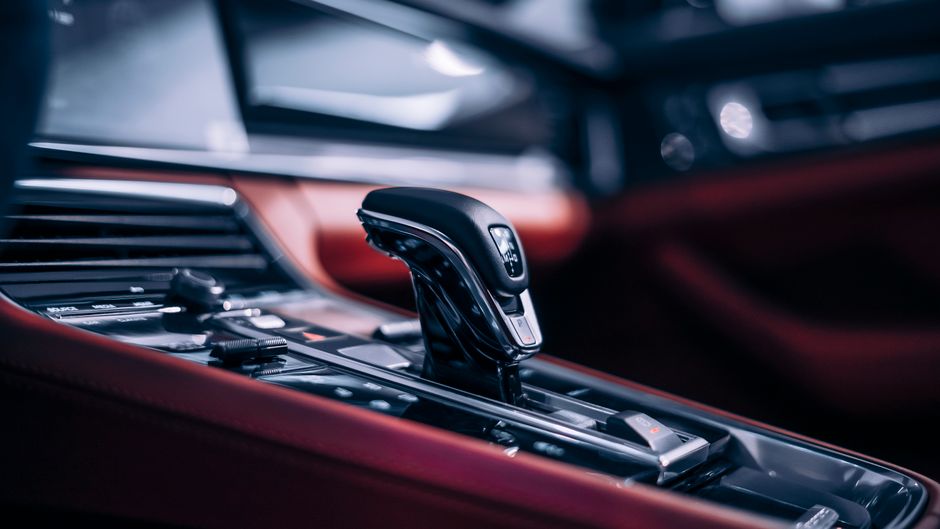
The journey from 2020 to 2026 has seen a seismic shift in car interior design, with a marked trend towards minimalism. Where dashboards once bristled with buttons and knobs, the current philosophy embraces clean lines and intuitive interfaces. Take, for instance, the 2026 Mercedes EQS, where a single sweeping OLED screen replaces traditional instrumentation, offering not just a futuristic aesthetic but also enhanced functionality. This design approach is not confined to luxury brands. Mainstream manufacturers like Hyundai and Ford have also adopted this trend, opting for sleek, user-friendly designs that make driving more intuitive.
Materials of the Future: Sustainability Meets Luxury
Gone are the days when leather was the epitome of automotive luxury. In 2026, sustainability is not just a buzzword—it’s a mandate. Car makers are investing heavily in bio-based materials, recycled fabrics, and plant-derived leather alternatives. For example, the 2026 Volvo XC90 takes sustainability to the next level with its interior featuring recycled polyester and responsibly sourced wood. Meanwhile, Tesla’s Model S now offers interior options using synthetic fibers that are not only eco-friendly but also soft and luxurious. This commitment to sustainable materials is transforming car interiors into spaces that are both elegant and environmentally responsible.
Technological Integration: The Car as a Digital Hub
Today’s vehicles are more connected than ever, blurring the lines between driving and digital living. The 2026 BMW iX acts as a perfect showcase for this trend. It features an advanced AI-driven personal assistant that adapts to driver preferences and habits. Seamless integration with smart home devices is now a standard feature, allowing you to adjust your home’s temperature or check security systems from the comfort of your car. Additionally, augmented reality heads-up displays (AR HUDs) are becoming common, providing real-time information directly on the windshield, enhancing both safety and convenience.
Enhanced Comfort: The Rise of Adaptive Interiors
Comfort has always been a cornerstone of automotive design, but 2026 has taken it to new heights with adaptive interiors. The Nissan Ariya, for example, offers seats that adjust their shape based on passenger body types, ensuring optimal comfort. Climate control systems now work with precision sensors to customize the cabin temperature for each occupant. Moreover, soundproofing has been dramatically improved, creating a serene environment even on the noisiest highways. These advancements are transforming the driving experience, making it more personalized and enjoyable.
Personalization: Customizing Your Mobile Space
Personalization is at the forefront of car interior design in 2026. Gone are the days of one-size-fits-all interiors. Most manufacturers, like Audi with its customizable TT model, offer numerous options for colors, materials, and even ambient lighting. You can now choose from a palette of colors to match your mood, or select a fragrance that diffuses through a discreet dispenser in the dashboard. These customizable elements ensure that each car is a reflection of its owner’s personality, turning the vehicle into a true extension of one’s living space.
Practical Takeaway
As we move through 2026, the car interior is no longer just about aesthetics—it’s about creating a harmonious blend of functionality, sustainability, and personalized comfort. When shopping for a new vehicle, prioritize interiors that offer not just style but also environmental responsibility and technological integration. This is not just the evolution of car interiors; it’s the evolution of our relationship with our vehicles.