The Electric Conversion Craze
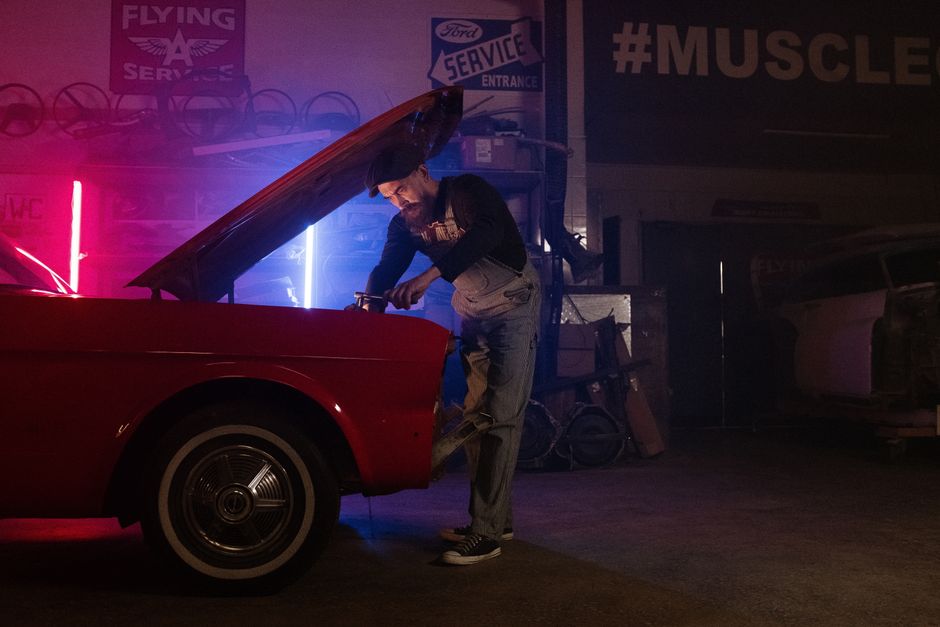
In 2026, car enthusiasts are taking a nostalgic twist into the future by transforming their beloved classic cars into electric vehicles (EVs). This DIY movement is gaining traction, powered by both a love for retro aesthetics and the appeal of sustainable driving. From vintage Volkswagen Beetles to the iconic Ford Mustangs, hobbyists are breathing new electric life into aging beauties.
Why Convert Your Classic Car?
The allure of electric conversions is multifaceted. For one, it preserves the timeless design of a classic car while upgrading its guts to modern standards. Enthusiasts can enjoy zero emissions, reduced maintenance costs, and a smoother ride—all while turning heads with a piece of automotive history. Furthermore, with the rising cost of gasoline and increasing environmental regulations, electric conversions provide a practical way to keep classics on the road.
What You’ll Need: The Essential Components
Embarking on a conversion project requires specific components and a bit of technical know-how. The basic elements include an electric motor, a battery pack, and a controller. The motor replaces the internal combustion engine, while the battery pack powers the motor. The controller manages the energy flow between these components. In recent years, companies like EV West and Electric GT have emerged as leaders, offering comprehensive kits tailored to specific models, making the conversion process more accessible than ever.
- Electric Motor: The heart of your EV, typically chosen based on the size and weight of your car.
- Battery Pack: The most crucial and costly part of the conversion. Lithium-ion batteries are the standard, offering a good balance of energy density and weight.
- Controller: It regulates power from the batteries to the motor, ensuring efficient performance.
Step-by-Step Conversion Guide
Converting a classic car to electric might seem like a daunting task, but breaking it down into manageable steps can simplify the process.
1. Planning and Research
Before turning any wrenches, research is key. Identify the model of your classic car and the specific needs for its conversion. Consult forums, online communities, and reach out to experts who have undertaken similar projects.
2. Stripping and Prepping
Next, remove the internal combustion engine and related components. This includes the exhaust system, gas tank, and radiator. Ensure that the chassis is in good condition to handle the new components. Reinforcing the structure might be necessary to support the additional weight of batteries.
3. Installing the Electric Components
Mount the electric motor and secure it to the transmission. Position the battery pack in a spot that maintains balance, often in the trunk or under the hood. Install wiring, the controller, and other peripherals required for the conversion.
4. Testing and Tuning
Once everything is in place, it’s time for testing. Ensure all systems are functioning correctly and perform necessary tuning to optimize performance. This may involve software adjustments to the controller and balancing battery management systems (BMS).
The Future of Classic Electric Cars
As technology advances, the process and components for electric conversions continue to become more affordable and efficient. In 2026, this trend is expected to soar, as more vintage car owners see the benefits of combining nostalgia with modern technology. With government incentives and the growing EV infrastructure, converting classics could soon become the norm rather than the exception.
Practical Takeaway
Converting a classic car to electric can be an incredibly rewarding project. It offers a unique way to blend the charm of automotive history with the innovations of tomorrow. With the right tools and resources, this transformation not only preserves a piece of history but also makes it more sustainable and enjoyable for generations to come.