The Dawn of Autonomous Racing
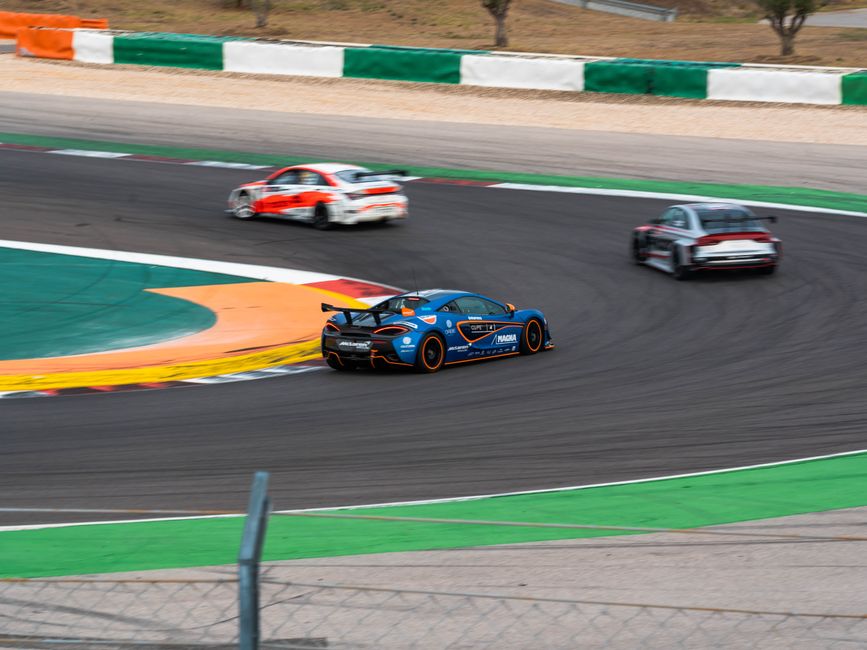
Welcome to a new era where the roar of engines isn’t accompanied by the thrill of a human driver, but by a meticulously programmed AI. Autonomous car racing has been around for a few years, but 2026 is set to be its breakout year. These races offer an electrifying glimpse into the future of motorsports, where technology and adrenaline collide on the track.
Why 2026 is the Year of the Autonomous Racecar
This year marks several milestone advancements in AI, sensor technology, and machine learning that make autonomous racing not just viable, but incredibly exciting. With major tech companies and automotive giants pouring resources into these projects, the speed, precision, and strategy of autonomous vehicles are at an all-time high. Imagine cars navigating complex circuits with split-second decisions, all without human intervention.
Meet the Pioneers: Key Players in the Field
Several teams and organizations are at the forefront of this thrilling domain. Roborace, one of the first to invest heavily in autonomous racing, continues to push boundaries. Their latest model, the Robocar 4.0, features state-of-the-art LIDAR systems and neural networks capable of processing data faster than ever.
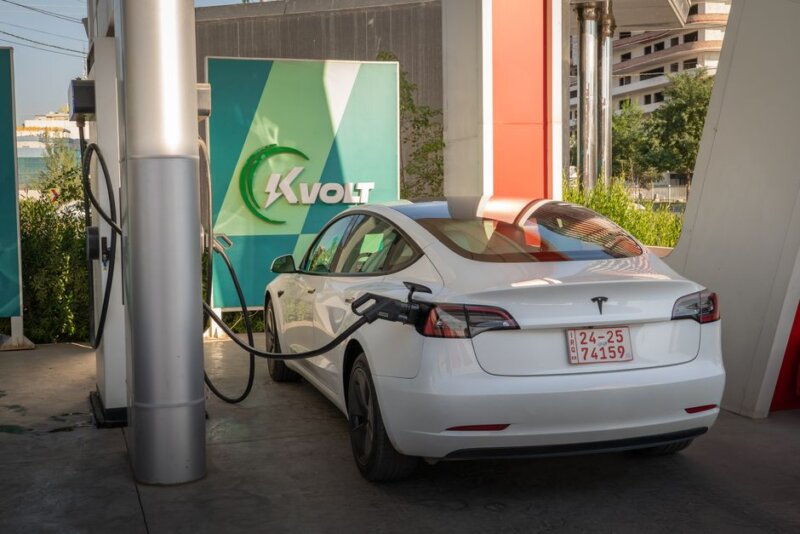
Meanwhile, Audi’s AI Racing Lab has introduced the AI RSQ e-tron, boasting a top speed of 250 km/h with an adaptive algorithm that learns and evolves with each race. Not to be outdone, Tesla has entered the fray with their own autonomous challenger, replete with the latest in energy-efficient tech.
The Tracks: Where Technology Meets Tradition
Famous tracks like the Nürburgring in Germany and Silverstone in the UK are adapting for this new breed of racing. They’ve introduced advanced infrastructure to support the AI’s need for real-time data processing and communication. These circuits are not just about speed; they are proving grounds for technology that will eventually trickle down into consumer vehicles.
Controversies and Criticisms
Not everyone is on board with this new direction for motorsports. Purists argue that removing human drivers takes away the essence of racing. The unpredictability, the skill, and the human element are irreplaceable, they claim. However, advocates suggest that autonomous racing doesn’t aim to replace traditional racing but to offer a parallel that explores the limits of technology.
There’s also the matter of safety and ethical considerations. How do we ensure that the AI makes decisions that prioritize safety over competitive advantage? This is a question that continues to be at the forefront of discussions in the tech and automotive industries.
The Practical Takeaway
For those who love cars and technology, 2026 offers a new spectacle that marries both passions seamlessly. Autonomous car racing isn’t just about the vehicles on the track; it’s about the innovations that will shape the future of transportation. As these AI technologies mature, they promise to enhance everyday driving experiences, making them safer and more efficient.
Whether you’re an enthusiast or a casual observer, the developments in autonomous racing provide a window into a future where technology and power coexist in harmony, paving the way for smarter, safer roads worldwide.