The Shifting Landscape of Car Values
The year is 2026, and the automotive market is evolving at an unprecedented pace. With electric vehicles (EVs) taking a more significant share and traditional combustion engines being phased out in many regions, car owners are naturally concerned about their vehicle’s value. Maintaining a car’s value now means staying informed and making strategic decisions.
Whether you own a brand new EV or a classic gas-guzzler, there are several steps you can take to ensure your car remains a valuable asset. Let’s navigate this changing landscape and figure out how to protect your investment.
Stay Updated with Technological Advances
Technological advancements in the automotive industry continue to make cars more efficient and user-friendly. In 2026, many new vehicles come equipped with advanced driver-assistance systems (ADAS), autonomous driving capabilities, and connectivity features that enhance the driving experience.
To maintain your car’s value, consider retrofitting your older vehicle with some of these technologies where possible. For instance, installing a modern infotainment system can make your car more attractive to future buyers. Companies like Tesla and Rivian have set a standard for over-the-air updates, offering new features and performance improvements long after the car leaves the showroom. If your car’s manufacturer offers similar updates, take full advantage to keep your vehicle’s software current.
Regular Maintenance is Non-Negotiable
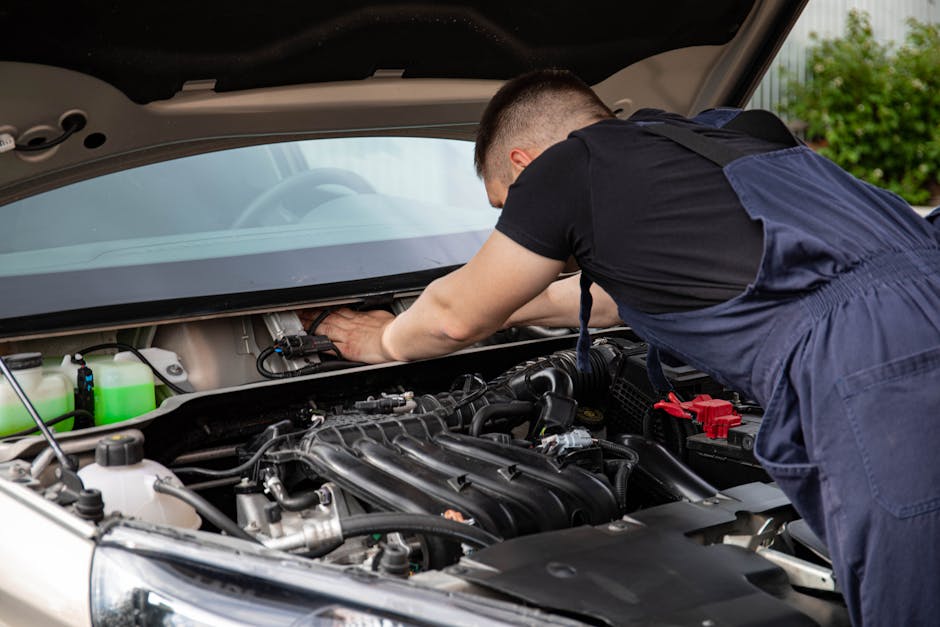
Consistent maintenance is arguably the most crucial factor in preserving a car’s value. Regularly scheduled services, such as oil changes, tire rotations, and brake inspections, help ensure your vehicle runs smoothly. In 2026, many vehicles are equipped with maintenance alert systems that remind you of upcoming services. Don’t ignore these reminders.
Keep a detailed service record, as it provides potential buyers with peace of mind knowing that the car has been well-cared-for. Companies like Carfax and AutoCheck can offer vehicle history reports that include service records; ensuring these reports are comprehensive can enhance your car’s resale value.
Pay Attention to Aesthetics
First impressions matter, especially when selling a car. A vehicle that looks well-kept can stand out in a crowded market. Regular washes and waxing protect your car’s paint, while interior cleaning keeps the inside looking fresh.
Consider investing in paint protection film (PPF) or ceramic coating to shield your car from scratches and environmental damage. These treatments are popular in urban areas like Los Angeles and Miami, where environmental conditions can be harsh on a car’s exterior. Inside, seat covers and floor mats can preserve the original materials from wear and tear, keeping everything in pristine condition for years to come.
Understand the Impact of Mileage
Mileage remains a significant factor in a car’s resale value. However, how you accumulate those miles can make a difference. In 2026, telecommuting is more common, which might naturally reduce your car’s mileage. Yet, if you’re a frequent traveler or road-tripper, try to balance long trips with periods of lighter use.
Consider using ride-sharing services or public transport when possible to keep that odometer in check. If you have a second car option, alternating between vehicles can also help distribute mileage more evenly.
Mind the Environmental Incentives
With green initiatives gaining momentum across the globe, certain incentives can positively or negatively affect your car’s value. Many countries offer tax breaks or rebates for EVs and hybrids, making them a more appealing purchase option. If you own an older combustion engine vehicle, it might be wise to investigate conversion kits that allow your car to run on alternative fuels.
Moreover, some urban areas are implementing low-emission zones, which may restrict access to vehicles that don’t meet specific environmental standards. Staying ahead of these changes by adapting your car to meet evolving standards can preserve its utility and value.
Practical Takeaway
In 2026, the automotive market is filled with opportunities and challenges. By staying informed about technological advancements, performing regular maintenance, keeping an eye on aesthetics, managing mileage, and understanding environmental incentives, car owners can effectively maintain their vehicle’s value. These strategies not only protect your investment but also ensure that when the time does come to sell, you’re in the best possible position to get a fair price.